

The world in year 1Q84 is similar to our own, with the exception that there are two moons in the sky instead of one.

As we are stuck in a taxicab in traffic jam on the Metropolitan Expressway in Tokyo, Japan with the young woman Aomame and Janacek’s Sinfonietta softly playing in the background, the enigmatic taxidriver warns us that ‘there’s always only one reality’. In parallell, elsewhere in Tokyo, the aspiring writer and mathematician Tengo is irrevocably drawn into a suspicious ghost writing project; and loose ends lead us to an extraordinarily beautiful dyslectic teenage girl with a unique vision, where there are two moons in the sky instead of one. A lovestory, a wealthy dowager, a hideous private detective, a well dressed editor of a literary magazine, religious sects and a train-ride to the Town of Cats completes the trilogy in true Murakami style.
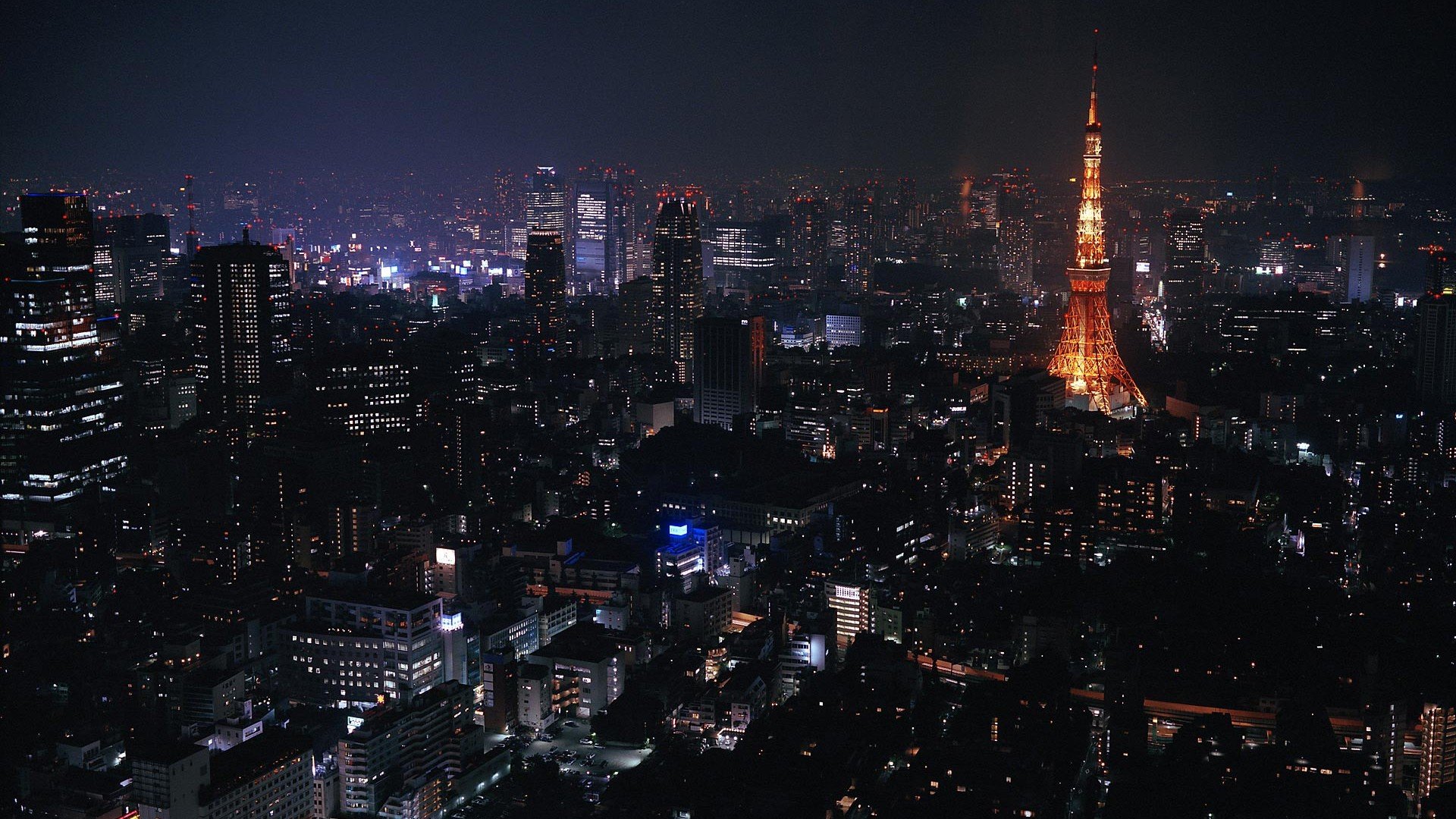
It was in the spring earlier this year when Murakami first introduced me to the peculiar world of 1Q84 – a world not entirely separated from our own. As in Orwell’s 1984, news in the newspapers are altered, however not due to the regime, but due to the consequences of the existence of two moons in the sky. Set in the year 1984 initially, we are inconspicuously transported to the parallell universe of 1Q84; the Q standing for Question mark. Only a few of us are aware of the transition of worlds; it is only those who can see two moons in the sky that are in the know.

By firmly anchoring the storyline in reality with cornerstone cultural references to Jung, Chekhov, Dostoevsky, Proust, Janacek and Sibelius among others, Murakami imposes a realness in the surreal elements embedded in the story; reinforcing the feelings of finding oneself trapped on the lucid boarders dividing dreamland and wakefulness. As a writer, Murakami possesses the talent of crafting the most compelling characters. We encounter the hideously ugly private detective Ushikawa whose exterior starkly contrasts his internal world, the exceptionally ruthless but well dressed editor of a literary magazine whose roots no one knows of, a seclusive dowager from an old Tokyo family with exceeding multigenerational family wealth and extensive political influence with a hidden motive, and an extraordinarily beautiful dyslectic teenage girl with a unique vision and no prior record in society.
Murakami’s prose is melancholic, introspective and dreamlike, with the ability to describe the most mundane everyday chores in an extraordinary light. As loose ends are not unraveled and revealed at the end of the story, the storyline lingers on the reader’s mind long after turning the last page. However, with elements of philosophy and contemplations on life and death, along with the psychology of complex relationships and fantastical and magical elements, 1Q84 certainly draws the readers in from the very first page and captivates them until the end. Finishing up the last pages, I was left with an eerie feeling, compelling me to look up at the night sky to see if there is still only one moon hanging in the sky.

 D.Z.
D.Z. 
Leave a comment